На нашем сайте вы можете читать онлайн «To the Lighthouse / На маяк». Эта электронная книга доступна бесплатно и представляет собой целую полную версию без сокращений. Кроме того, доступна возможность слушать аудиокнигу, скачать её через торрент в формате fb2 или ознакомиться с кратким содержанием. Жанр книги — Серьезное чтение, Классическая литература, Зарубежная классика. Кроме того, ниже доступно описание произведения, предисловие и отзывы читателей. Регулярные обновления библиотеки и улучшения функционала делают наше сообщество идеальным местом для любителей книг.
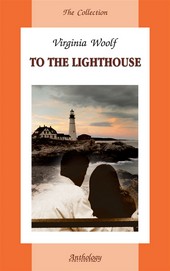
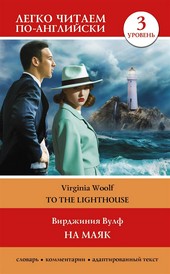
To the Lighthouse / На маяк
0 баллов
0 мнений
6 чтений
Автор
Дата выхода
25 февраля 2015
Краткое содержание книги To the Lighthouse / На маяк, аннотация автора и описание
Прежде чем читать книгу целиком, ознакомьтесь с предисловием, аннотацией, описанием или кратким содержанием к произведению To the Lighthouse / На маяк. Предисловие указано в том виде, в котором его написал автор (Вирджиния Вулф) в своем труде. Если нужная информация отсутствует, оставьте комментарий, и мы постараемся найти её для вас. Обратите внимание: Читатели могут делиться своими отзывами и обсуждениями, что поможет вам глубже понять книгу. Не забудьте и вы оставить свое впечатие о книге в комментариях внизу страницы.
Описание книги
Необыкновенный психологический мир отличает произведение «На маяк». Автор тонко его рисует перед читателем романа в манере тайнописи души, потока сознания.
To the Lighthouse / На маяк читать онлайн полную книгу - весь текст целиком бесплатно
Перед вами текст книги, разбитый на страницы для удобства чтения. Благодаря системе сохранения последней прочитанной страницы, вы можете бесплатно читать онлайн книгу To the Lighthouse / На маяк без необходимости искать место, на котором остановились. А еще, у нас можно настроить шрифт и фон для комфортного чтения. Наслаждайтесь любимыми книгами в любое время и в любом месте.
Текст книги
He said, It must rain. He said, It won’t rain; and instantly a Heaven of security opened before her. There was nobody she reverenced more. She was not good enough to tie his shoe strings, she felt.
Already ashamed of that petulance, of that gesticulation of the hands when charging at the head of his troops, Mr Ramsay rather sheepishly prodded his son’s bare legs once more, and then, as if he had her leave for it, with a movement which oddly reminded his wife of the great sea lion at the Zoo tumbling backwards after swallowing his fish and walloping off so that the water in the tank washes from side to side, he dived into the evening air which, already thinner, was taking the substance from leaves and hedges but, as if in return, restoring to roses and pinks a lustre which they had not had by day.
“Some one had blundered,” he said again, striding off, up and down the terrace.
But how extraordinarily his note had changed! It was like the cuckoo; “in June he gets out of tune”; as if he were trying over, tentatively seeking, some phrase for a new mood, and having only this at hand, used it, cracked though it was.
He was safe, he was restored to his privacy. He stopped to light his pipe, looked once at his wife and son in the window, and as one raises one’s eyes from a page in an express train and sees a farm, a tree, a cluster of cottages as an illustration, a confirmation of something on the printed page to which one returns, fortified, and satisfied, so without his distinguishing either his son or his wife, the sight of them fortified him and satisfied him and consecrated his effort to arrive at a perfectly clear understanding of the problem which now engaged the energies of his splendid mind.
It was a splendid mind. For if thought is like the keyboard of a piano, divided into so many notes, or like the alphabet is ranged in twenty-six letters all in order, then his splendid mind had no sort of difficulty in running over those letters one by one, firmly and accurately, until it had reached, say, the letter Q. He reached Q. Very few people in the whole of England ever reach Q.
Мнения
Еще нет комментариев о книге To the Lighthouse / На маяк, и ваше мнение может быть первым и самым ценным! Расскажите о своих впечатлениях, поделитесь мыслями и отзывами. Ваш отзыв поможет другим читателям сделать правильный выбор. Не стесняйтесь делиться своим мнением!
Другие книги автора
Понравилась эта книга? Познакомьтесь с другими произведениями автора Вирджиния Вулф! В этом разделе мы собрали для вас другие книги, написанные вашим любимым писателем.

Похожие книги